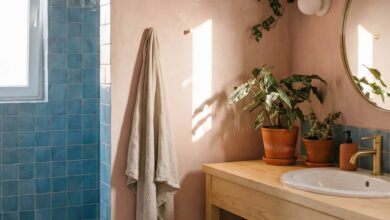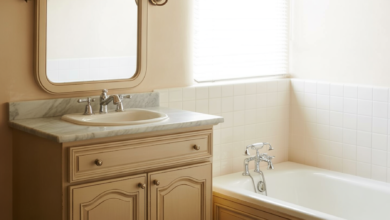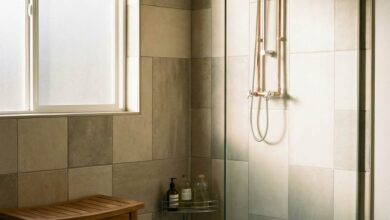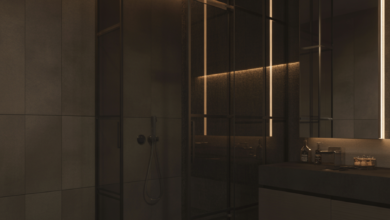

Green tile bathrooms are stepping confidently into the spotlight as we move toward 2026. What was once considered a risky color choice is now a versatile foundation for modern interior design, blending nature, nostalgia, and personal expression. From calm spa-like retreats to expressive vintage-inspired spaces, green tiles are proving adaptable across styles, budgets, and home sizes. In this article, I’ll walk you through thoughtfully developed ideas for using green tile in the bathroom, each rooted in real design practice and the way people actually live with these spaces every day.
1. Dark Green Tiles for a Moody, Grown-Up Bathroom
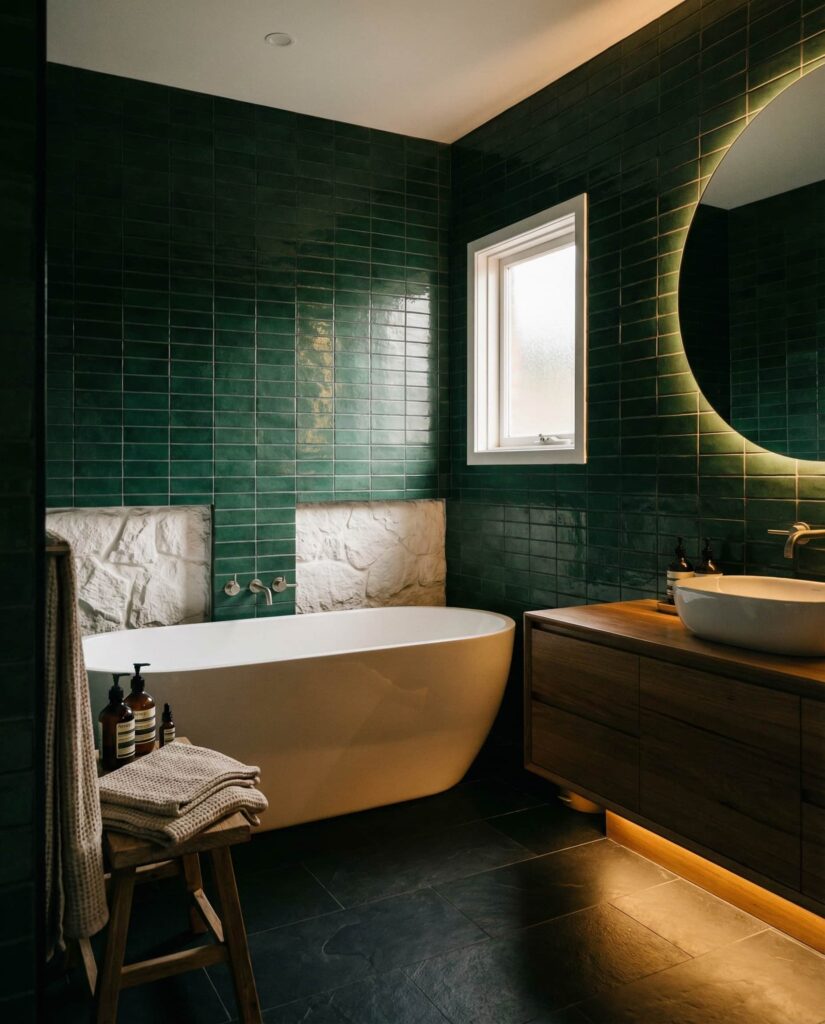
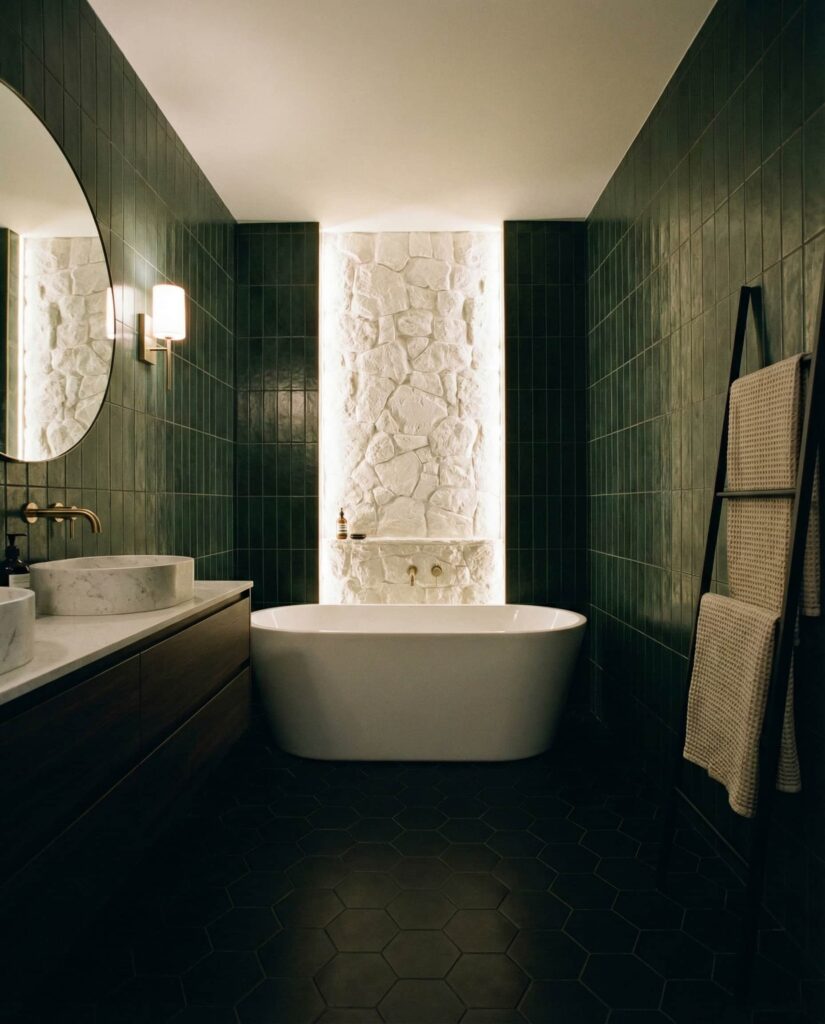
Dark green tiles are becoming a favorite among homeowners who want a bathroom that feels intentional and atmospheric rather than purely functional. When paired with a black floor, subtle lighting, and a contrasting white and stone wall, this approach feels refined instead of heavy. Designers at sites like Apartment Therapy often note how darker palettes age better over time. This design works especially well in primary bathrooms where a freestanding bathtub or deep tub becomes the visual anchor. I’ve seen friends hesitate with dark colors, only to admit later that the space feels calmer at night, like a private retreat rather than a pass-through room.
2. Light Green Tile for an Airy Everyday Bathroom
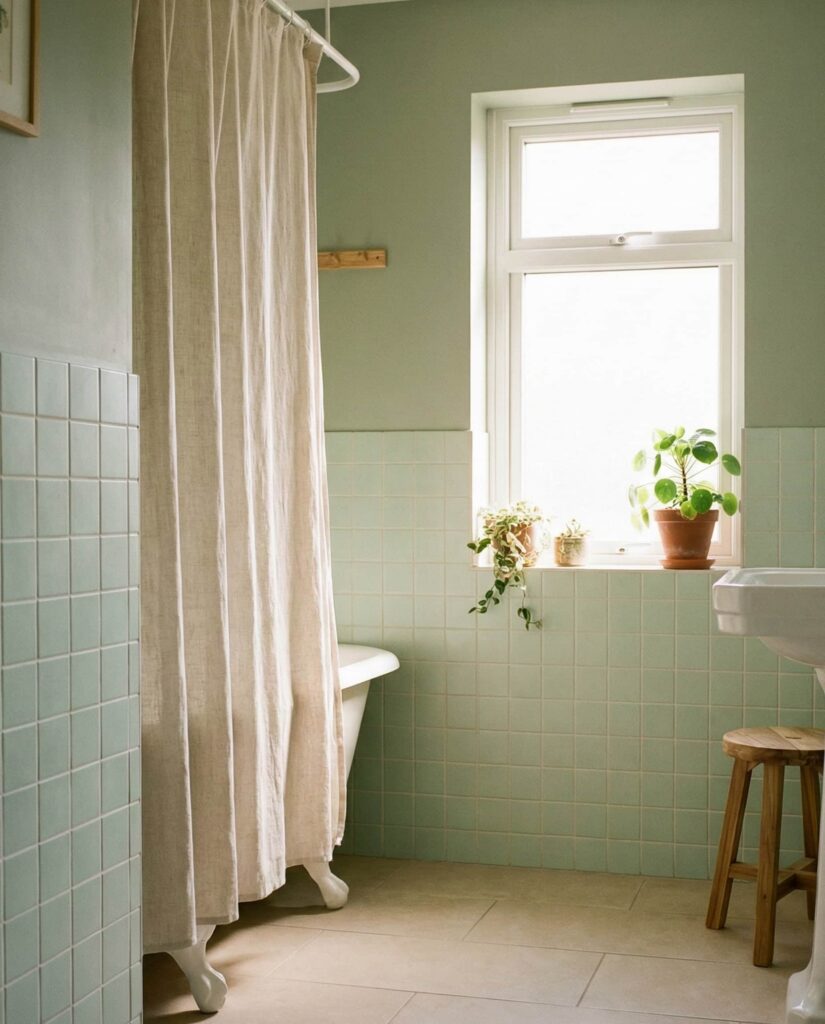
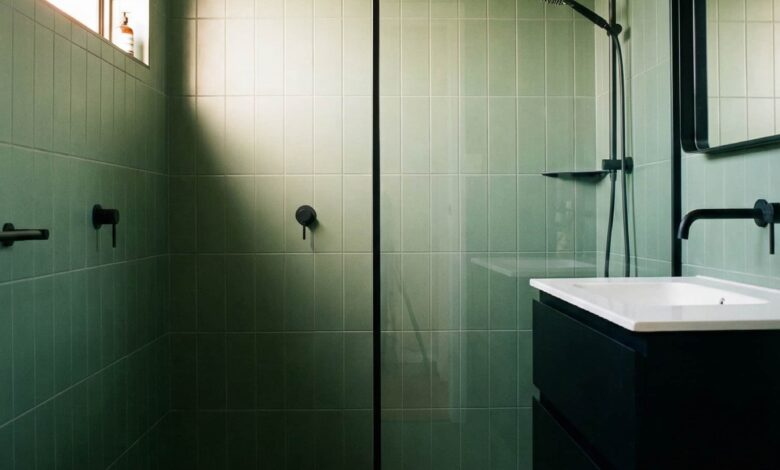
Light green tile works beautifully in shared or smaller bathrooms where openness matters. Shades that lean pale, mint, or soft sage reflect light and pair naturally with warm wood or simple floor tile. This is one of those ideas that designers at Houzz frequently recommend for first-time renovators because it feels safe but not boring. A neutral paint color on the ceiling and a simple shower curtain can keep the look flexible if tastes change. In my own experience, light green bathrooms tend to feel clean without slipping into that sterile hotel look many people try to avoid.
3. Vintage Green Tile with Timeless Character
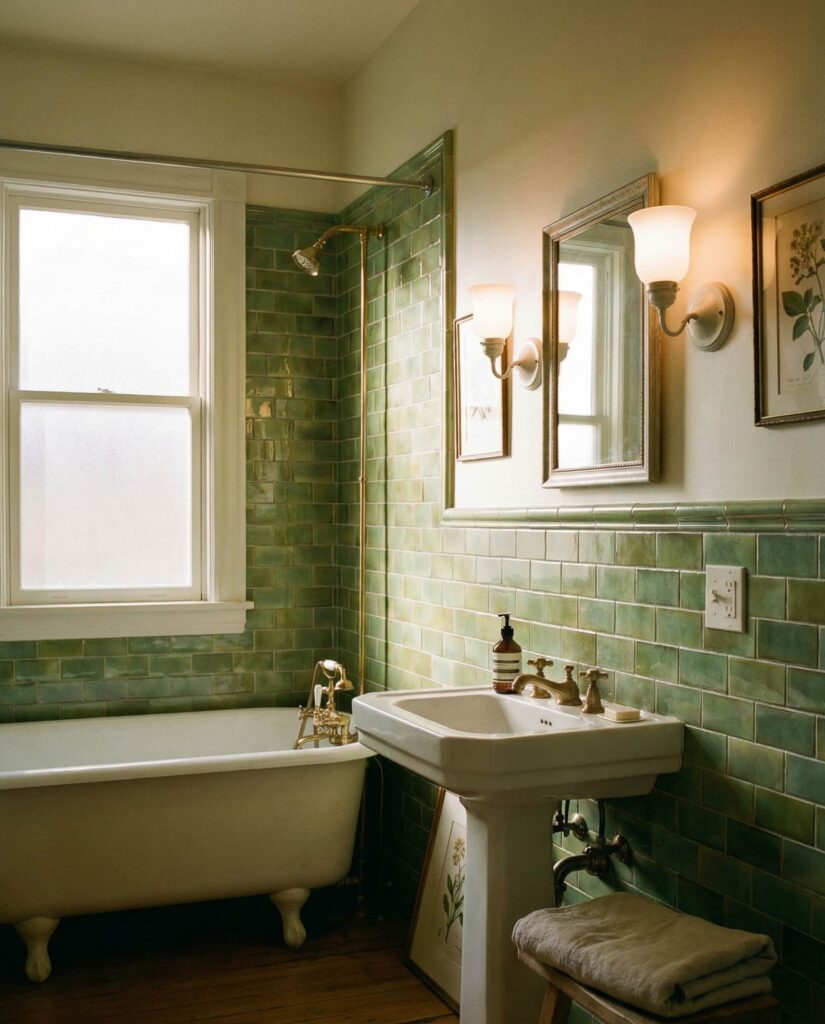
A vintage green tile bathroom doesn’t mean copying the past exactly; it means borrowing its confidence. Think glossy tiles in jade or muted olive, paired with rounded edges and classic fixtures. This retro approach works well in older homes where preserving character matters. Design writers at Remodelista often point out that original tile layouts can inspire respectful updates rather than full replacements. Adding a pedestal sink or traditional wall sconces keeps the space grounded. I’ve always admired how vintage bathrooms feel collected over time, as if the house itself remembers who lived there before.
4. Sage Green Tiles for a Spa-Like Reset
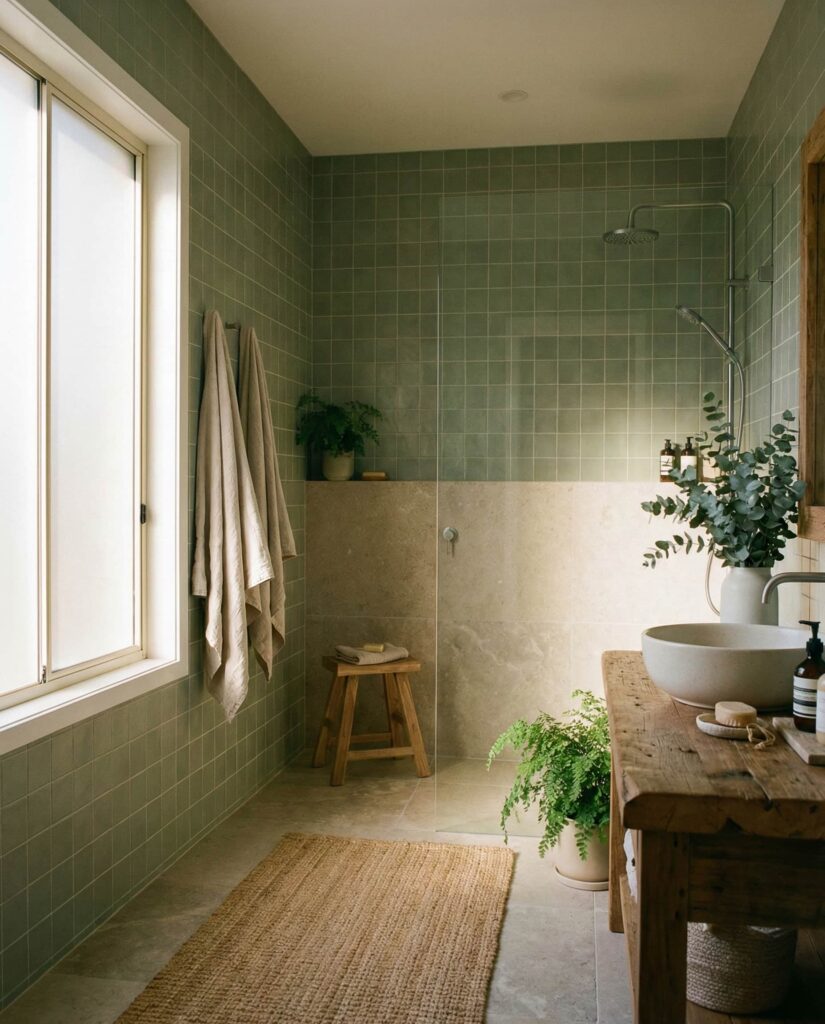
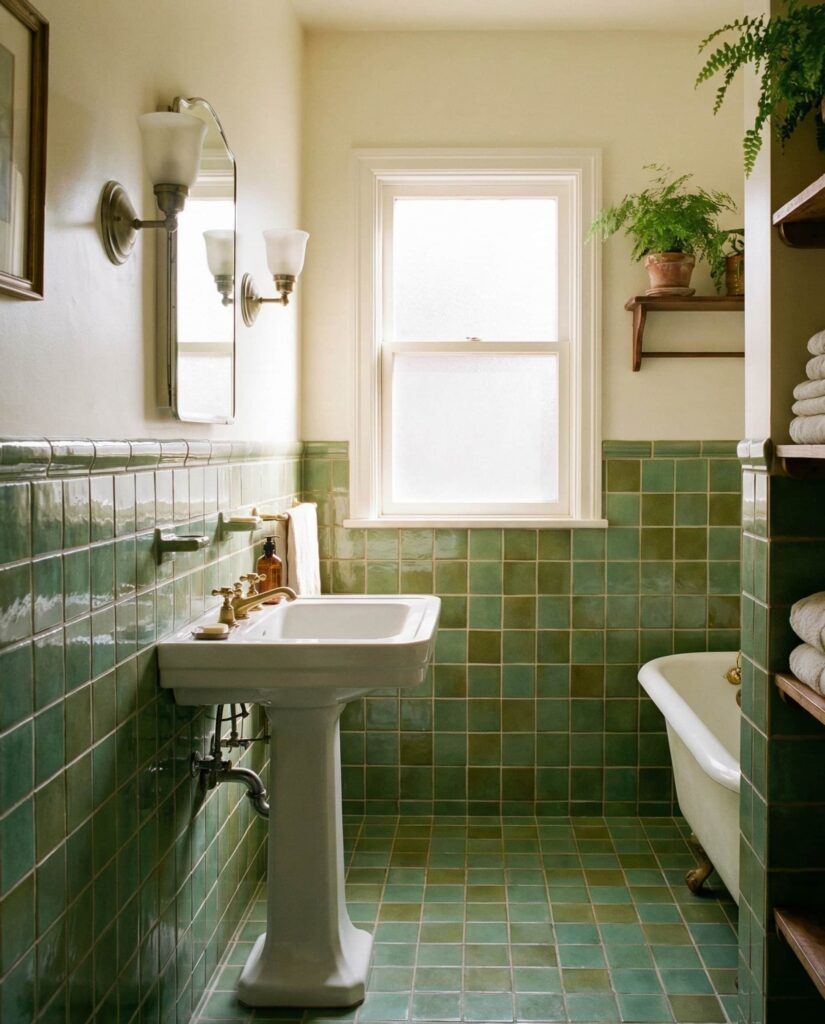
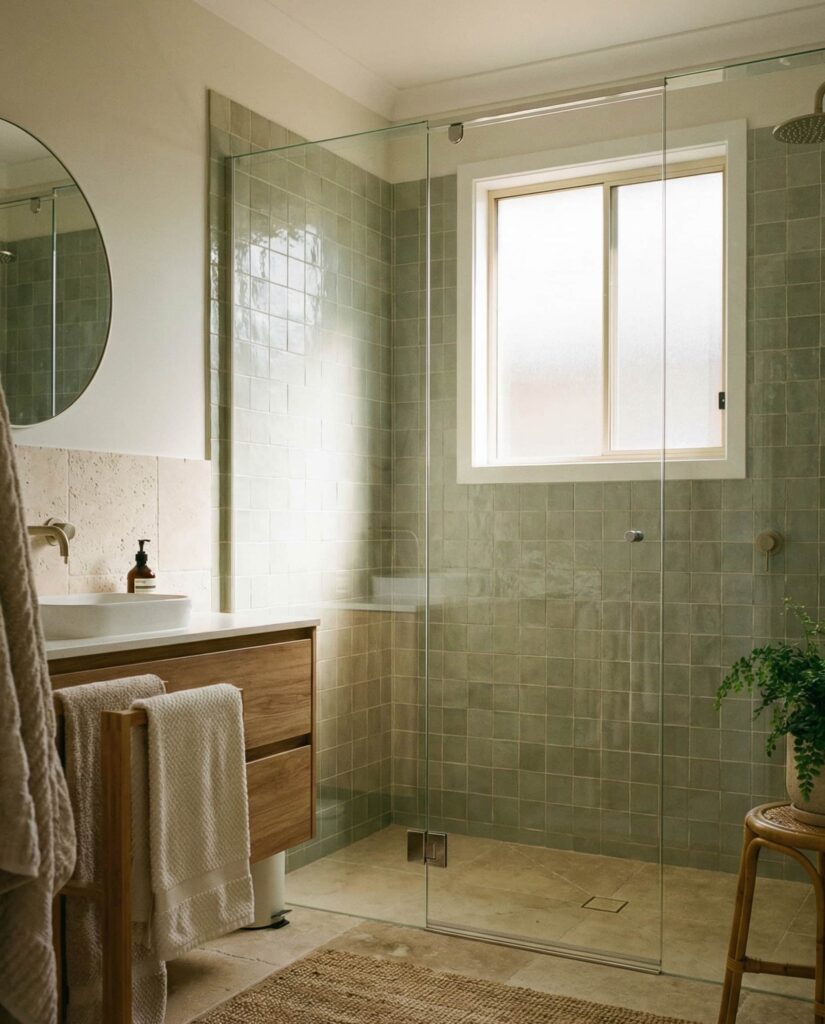
Sage green has quietly become the workhorse color of modern bathrooms. It’s soft enough to live with daily and neutral enough to blend with stone, wood, and brushed metal. This design often includes a walk-in shower with seamless tile transitions and minimal grout lines. According to interior editors at Domino, sage reads as calming without leaning trendy. When paired with linen textures and a neutral backsplash, the result feels restorative. I’ve noticed people linger longer in sage bathrooms, not rushing through routines but slowing down without realizing why.
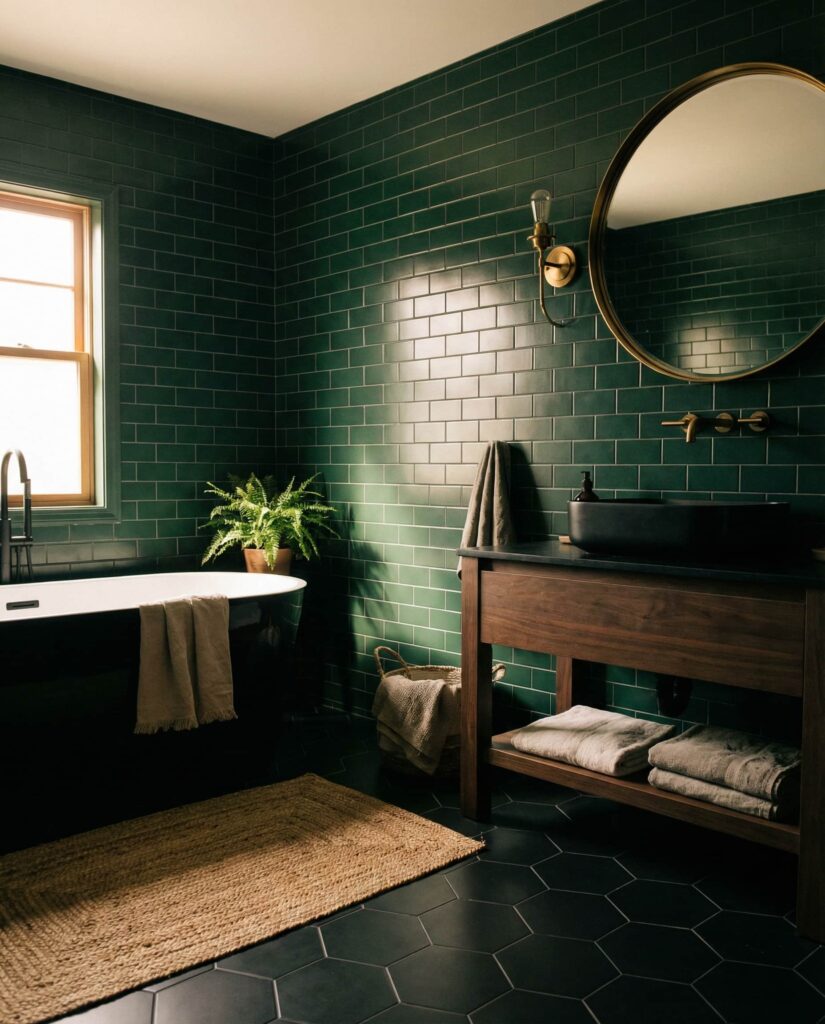
5. Emerald Green for Statement Bathrooms
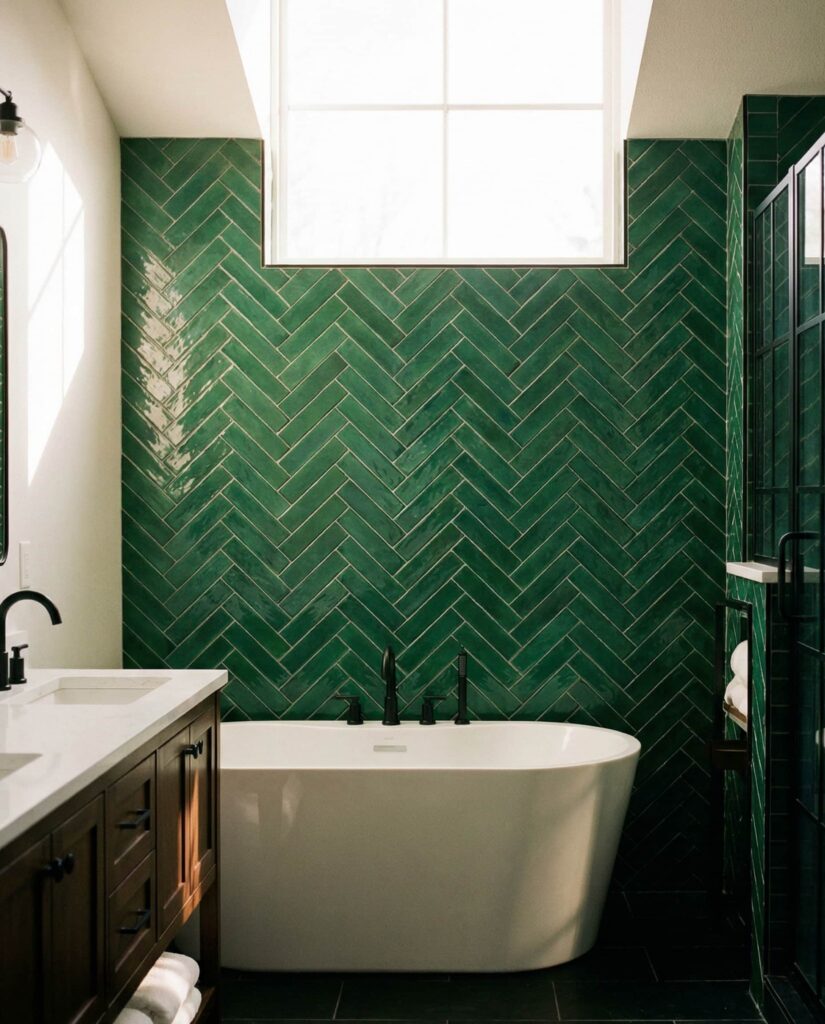
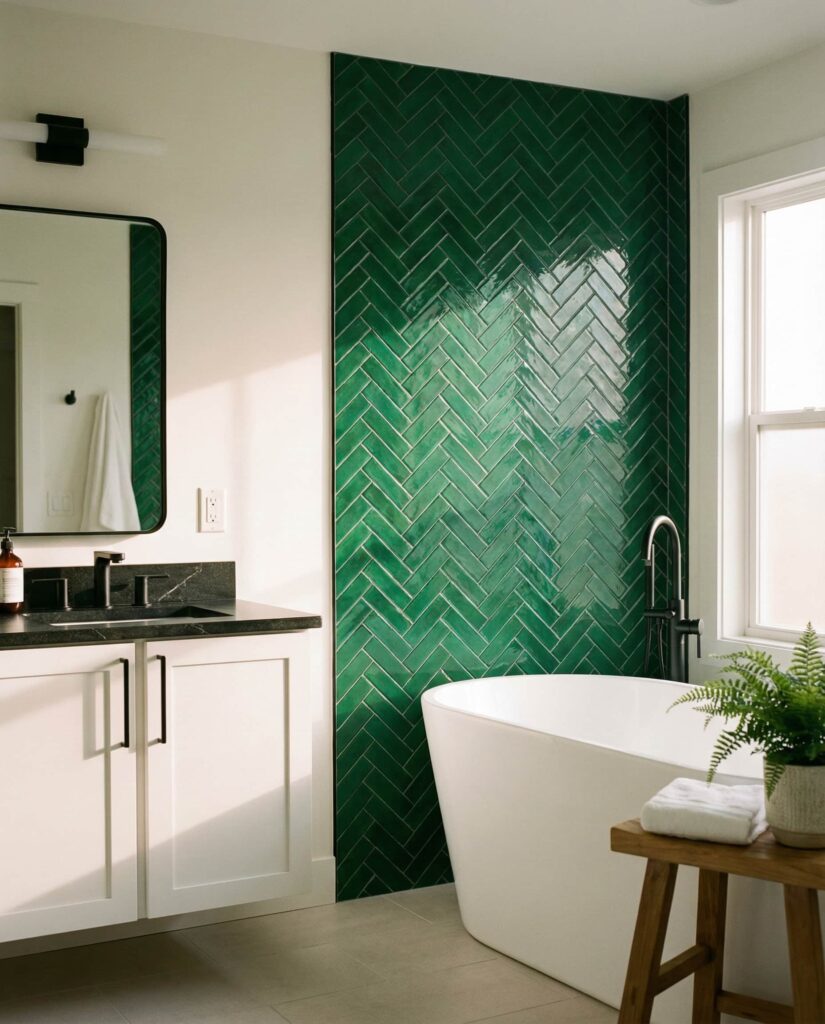
Emerald green tiles are for homeowners who want the bathroom to feel expressive and bold. Used on a feature wall or around a soaking tub, this saturated tone pairs well with black fixtures and warm brass accents. While some fear it may overpower a space, experienced designers often balance it with white and neutral surfaces to keep it grounded. I’ve seen emerald bathrooms steal the show in otherwise simple homes, becoming the room guests remember most. It’s a confident choice that rewards commitment.
6. Mint Green Tiles for Fresh, Youthful Spaces
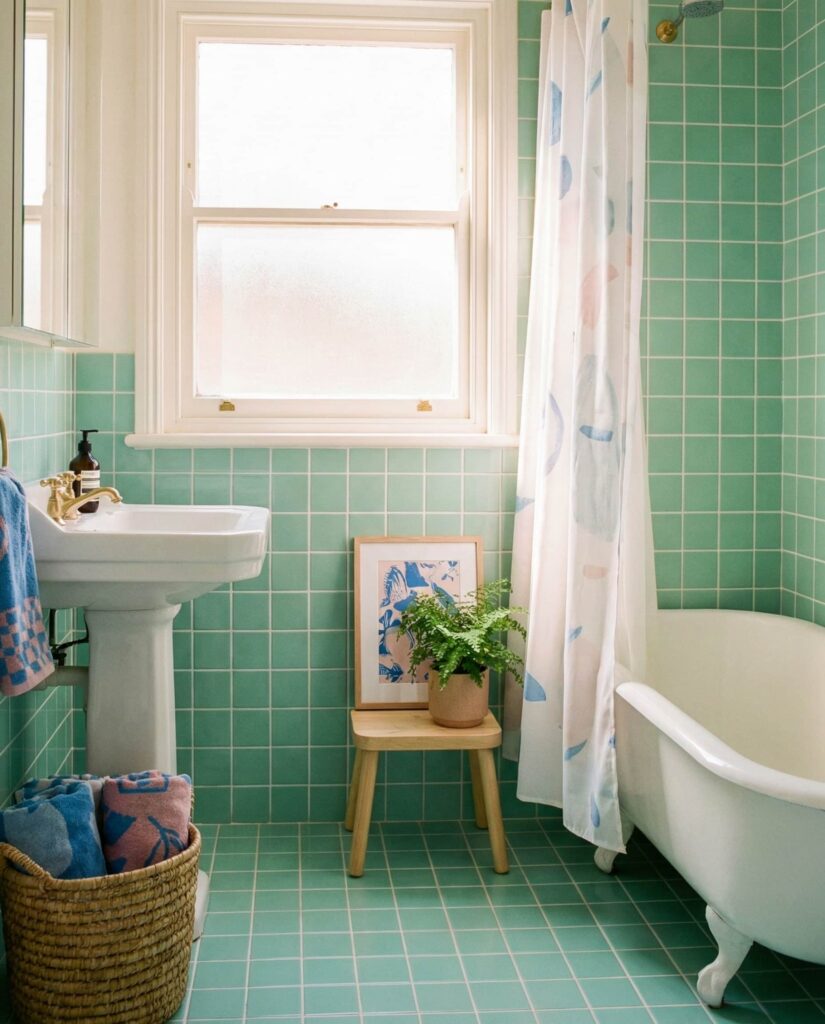
Mint green tile feels approachable and optimistic, making it ideal for guest bathrooms or family homes. This color pairs easily with playful accents, subtle blue undertones, or even soft pink and neutral accessories without feeling chaotic. Many interior design blogs highlight mint as a way to refresh outdated bathrooms without major renovation. Used on both floor and wall, it creates cohesion while staying lighthearted. I’ve noticed mint bathrooms tend to photograph well and feel cheerful even on gray mornings.
7. Forest Green Tiles for Nature-Inspired Bathrooms
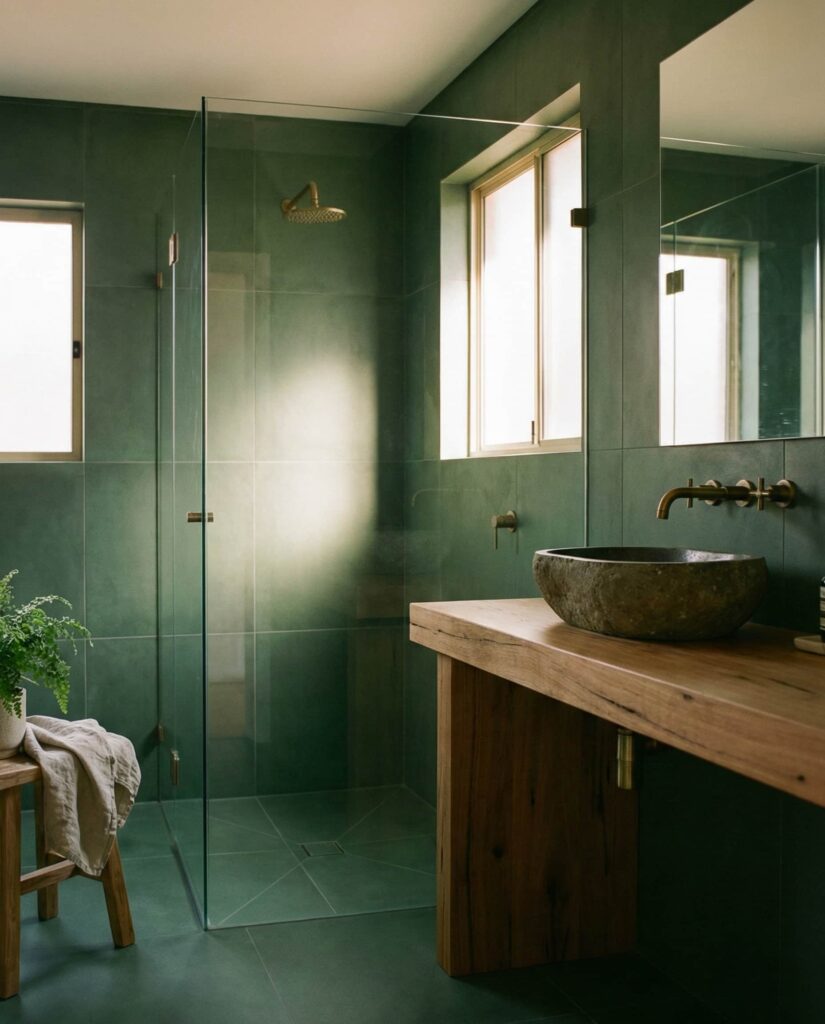
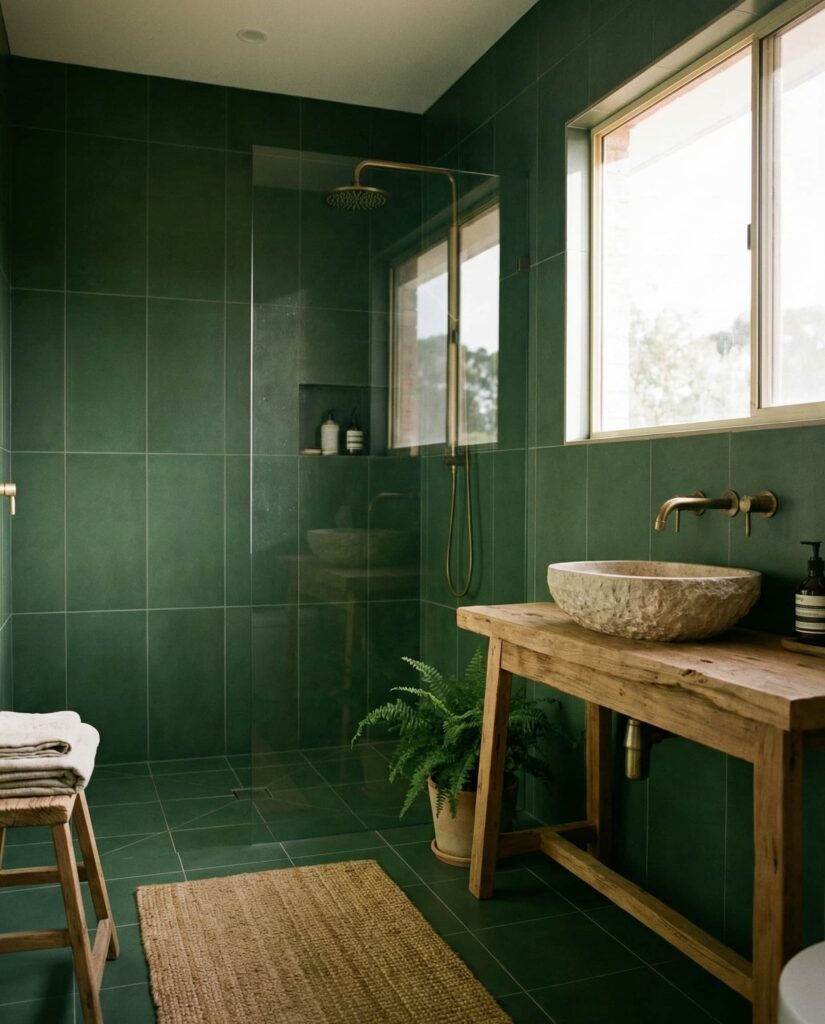
Forest green tiles bring a grounding, organic presence into the bathroom. Often used in large formats to reduce visual clutter, this look pairs beautifully with stone sinks and wood cabinetry. Designers at Dezeen frequently reference nature-inspired palettes as a response to digital overload. A simple shower designs approach, such as a tiled alcove, keeps the focus on material quality. Personally, forest green bathrooms remind me of boutique hotels that feel calm without trying too hard.
8. Olive Green Tile with Wallpaper Accents
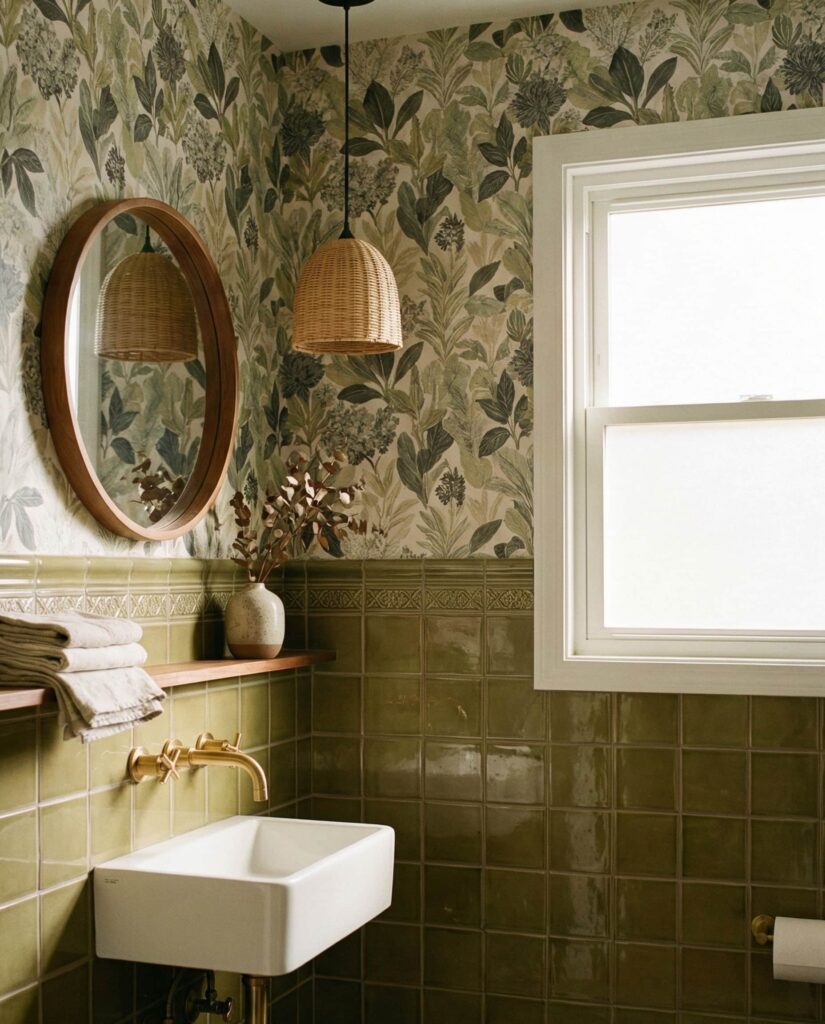
Olive green tiles paired with wallpaper create a layered, editorial look that feels current but livable. This is one of those ideas where contrast matters, especially when wallpaper appears above tile height to protect high-use areas. Many designers recommend botanical or abstract patterns that echo the tile tone without matching exactly. Adding a subtle backsplash detail behind the sink ties the elements together. I’ve seen this approach work surprisingly well in powder rooms where personality matters more than storage.
9. Jade Green Tiles with Classic White Balance
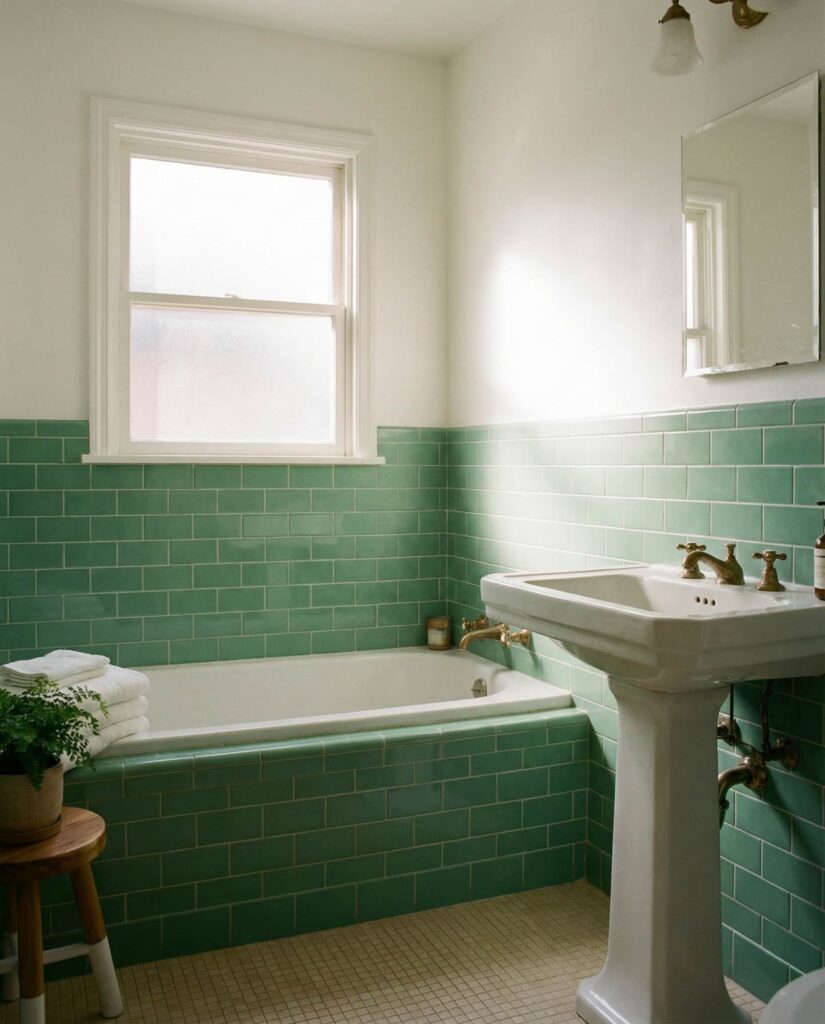
Jade green tiles shine when balanced white and soft neutrals. This approach keeps the space feeling bright while still offering color depth. It’s especially effective in bathrooms with limited natural light, where reflective tile surfaces matter. Designers often recommend jade for homeowners who want color without going fully bold. Pairing it with a simple bathtub surround and light floor materials keeps the look timeless. In my experience, jade feels like a long-term choice rather than a trend.
10. Retro Green Tile with Bold Floor Contrast
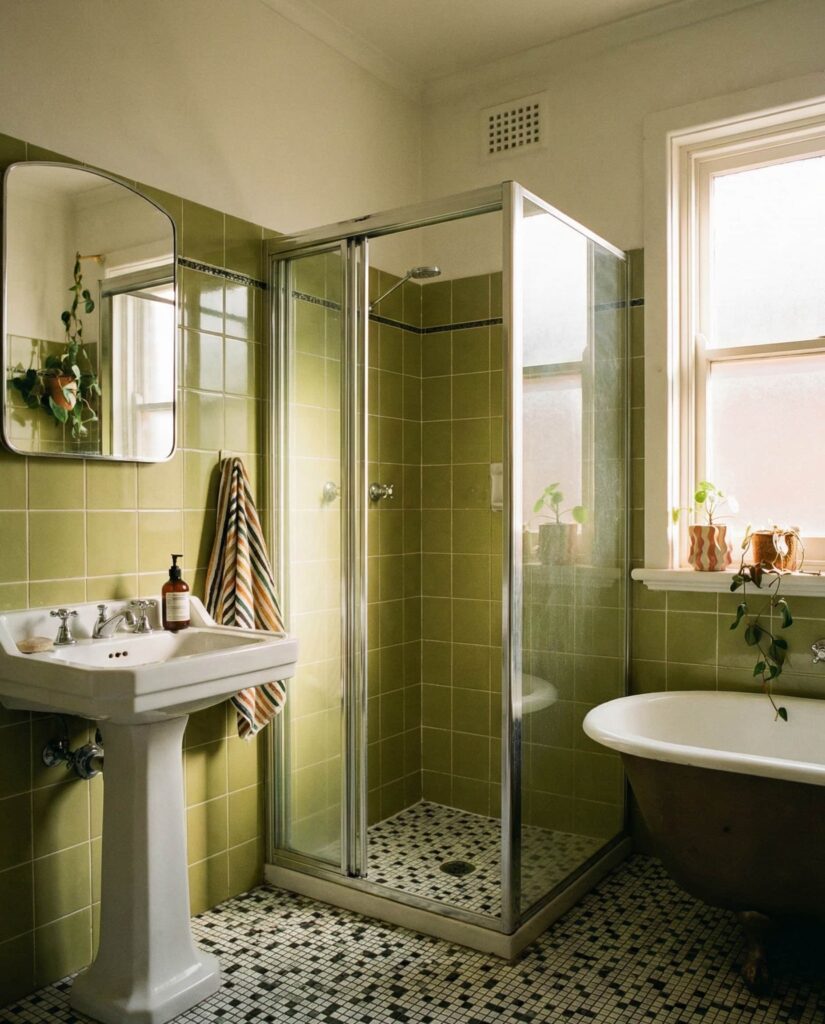
A retro green tile bathroom feels playful when paired with a black floor or patterned tile underfoot. This contrast grounds the color and adds visual rhythm without overwhelming the space. Many mid-century-inspired homes use this formula successfully, especially when combined with simple chrome fixtures. Adding a curved mirror or classic shower enclosure reinforces the style. I’ve always admired how retro bathrooms feel fun without feeling temporary, as if they know exactly what they are.
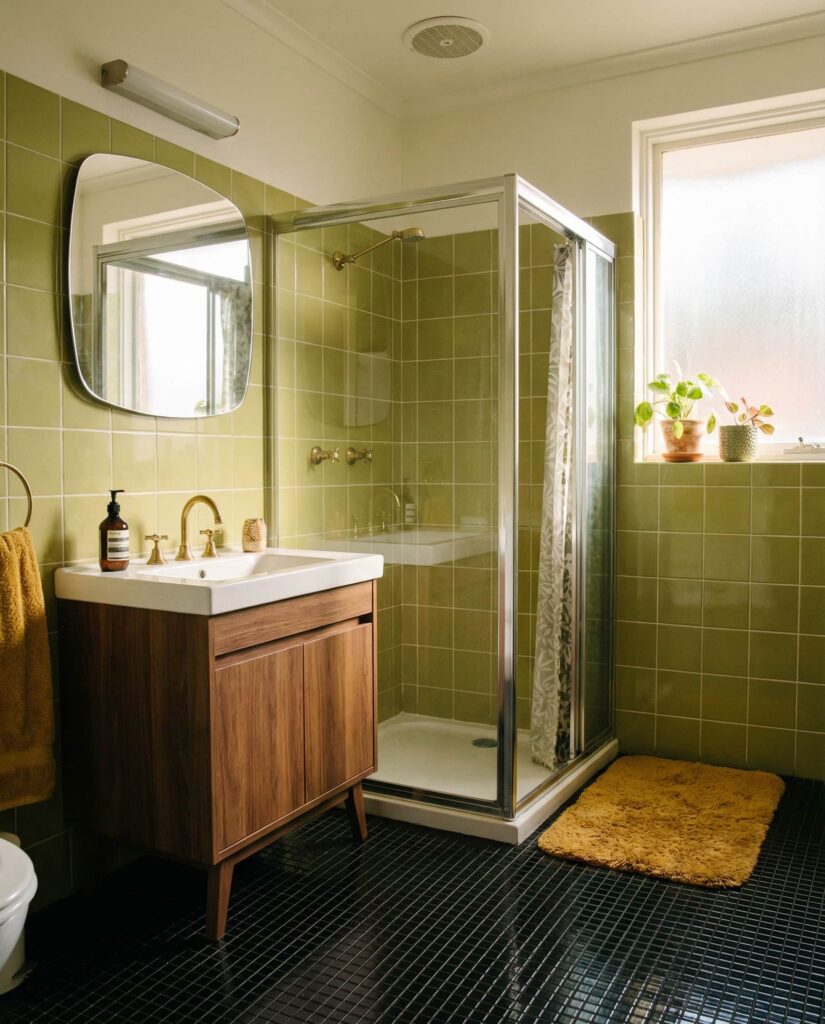
11. Green Tile Bathroom with Blue Undertones for Coastal Calm
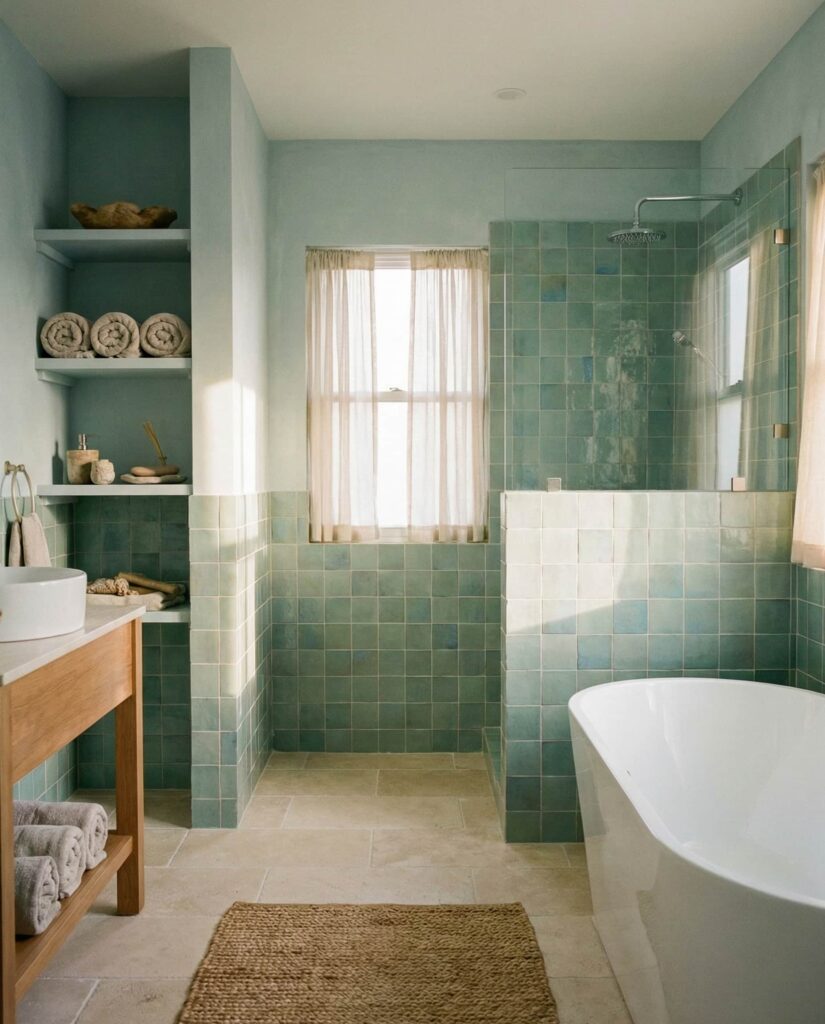
Green tile with subtle blue undertones is gaining traction among homeowners who want a calm, coastal-adjacent feel without obvious nautical cues. This design blends muted green tiles with cool light reflections, making it ideal for bathrooms with limited sunlight. Designers often recommend pairing these tones with a neutral paint color, light stone floor, and minimal hardware so the color reads sophisticated rather than themed. I’ve noticed this approach resonates with people who love the coast but live far from it—it brings that sense of openness without seashell clichés.
12. Green Tile Bathroom with Statement Shower Designs
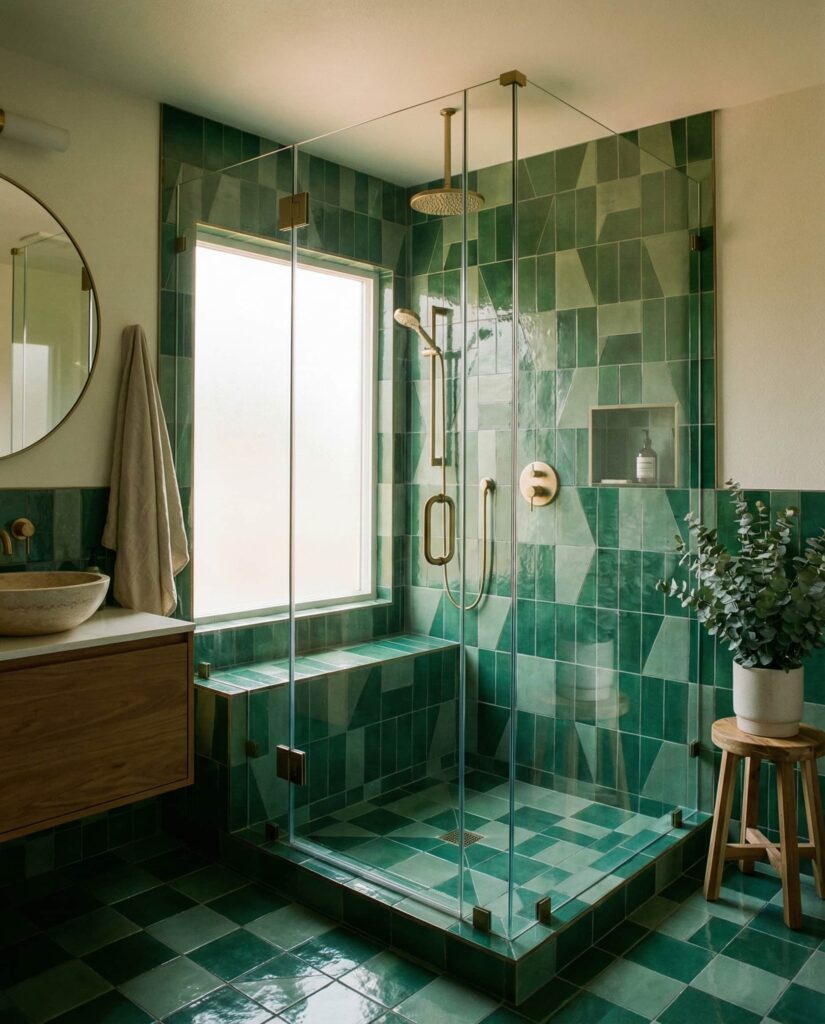
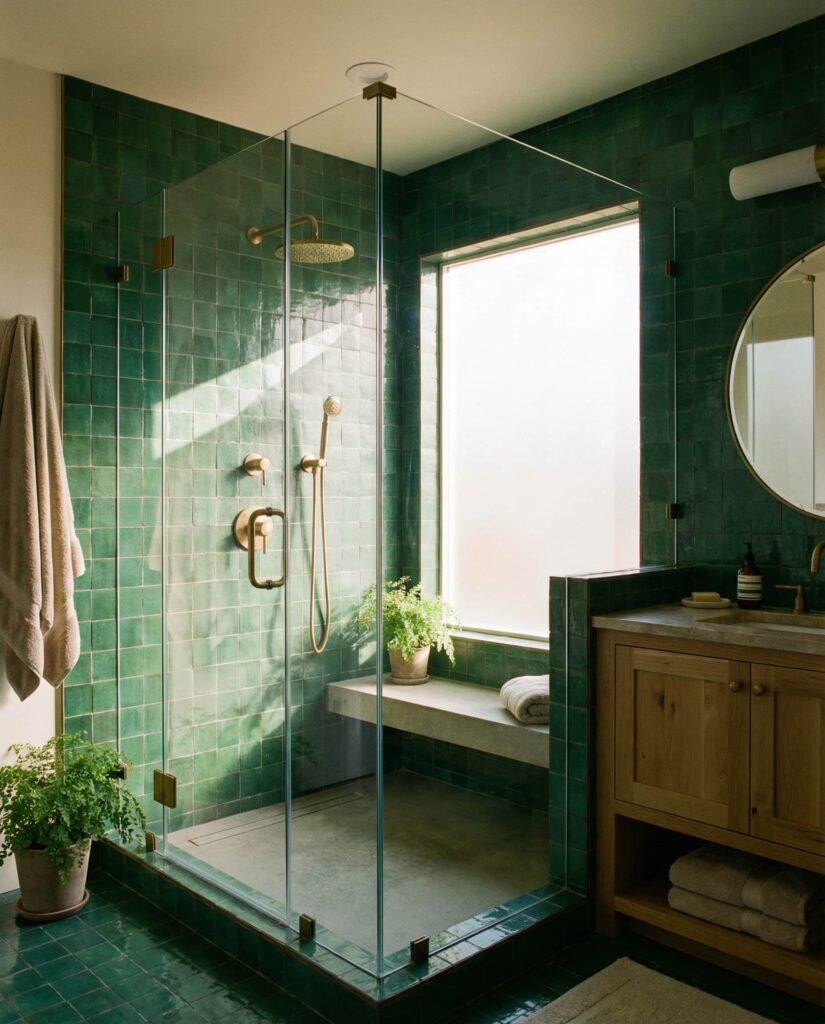
Bathrooms in 2026 increasingly treat shower designs as the focal point rather than an afterthought. Green tiles—especially emerald or forest tones—create a dramatic enclosure when used floor to ceiling. This idea works best with frameless glass and minimal grout to keep the look clean. Many interior design editors highlight how a bold tiled shower elevates even modest homes. I’ve seen guests gravitate toward these bathrooms, curious to step inside a space that feels intentionally designed rather than purely practical.
13. Pale Green Tiles with Soft Wallpaper Contrast
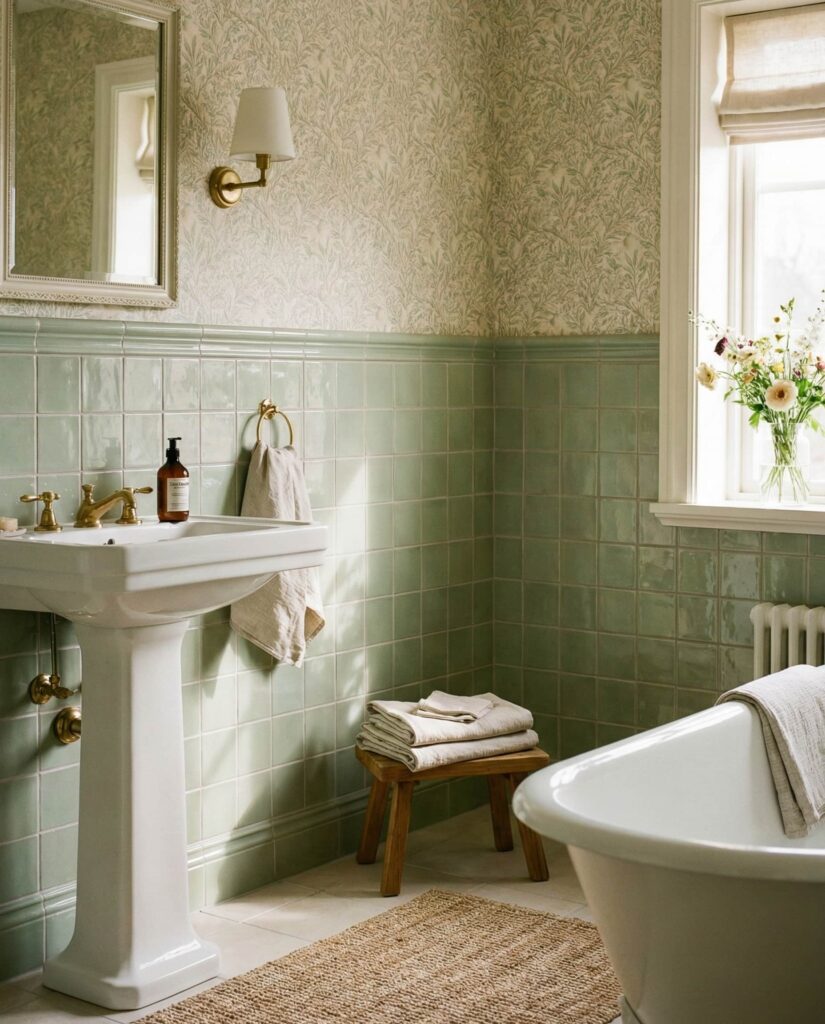
Using pale green tiles with wallpaper creates a gentle contrast that feels editorial but approachable. This combination works especially well in guest baths or powder rooms where personality matters more than storage. Designers often suggest keeping tile below eye level and letting wallpaper carry pattern and texture above. A subtle backsplash detail helps transition between surfaces. From what I’ve seen, this design appeals to homeowners who enjoy color but still want a space that feels light and welcoming.
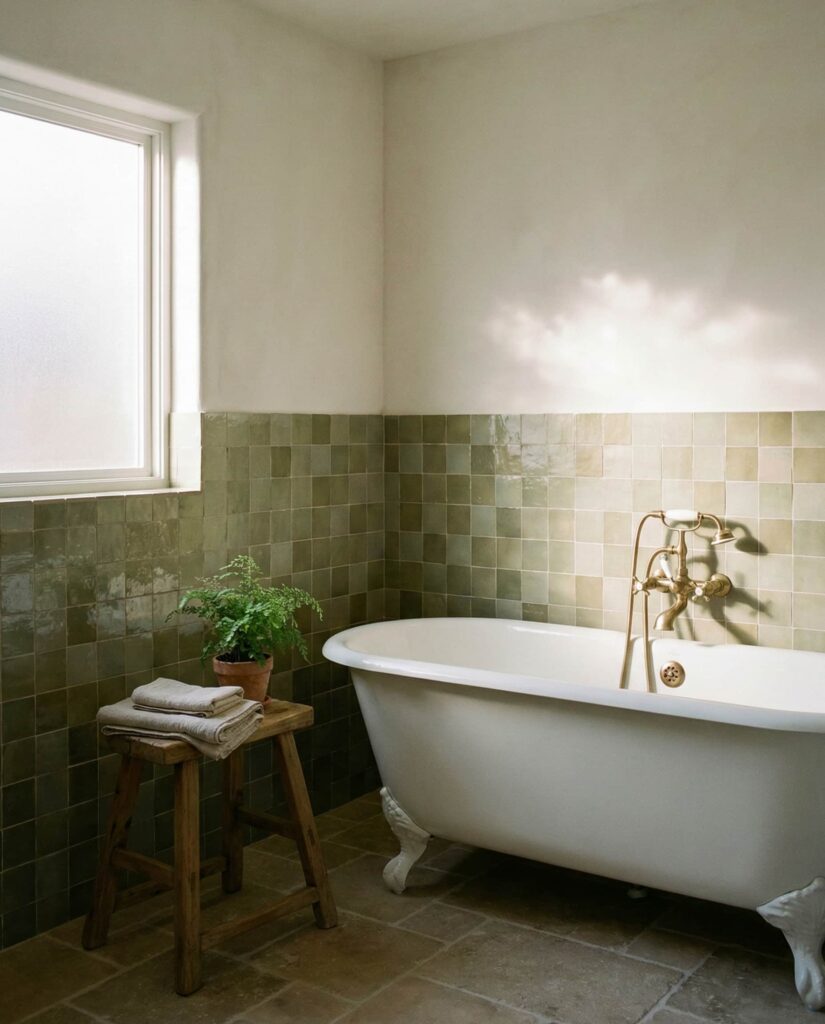
14. Green Tile Bathroom with a Freestanding Bathtub Focus
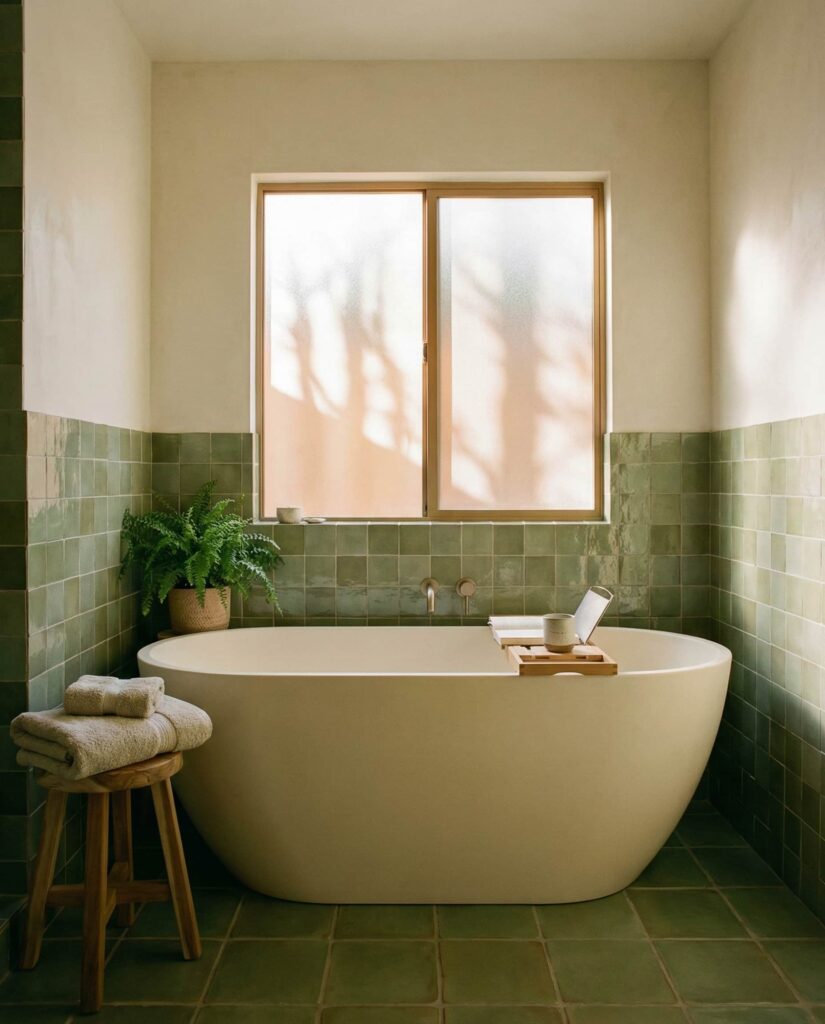
A green tile bathroom built around a sculptural bathtub feels luxurious without being excessive. This idea often uses sage, olive, or jade tiles as a backdrop, letting the tub stand out as a centerpiece. Designers recommend keeping surrounding elements simple—neutral wall finishes, discreet storage, and soft lighting. I’ve noticed that homeowners who prioritize the bathtub tend to view the bathroom less as a utility space and more as a personal retreat.
15. Mint and White Green Tile Bathrooms for Small Spaces
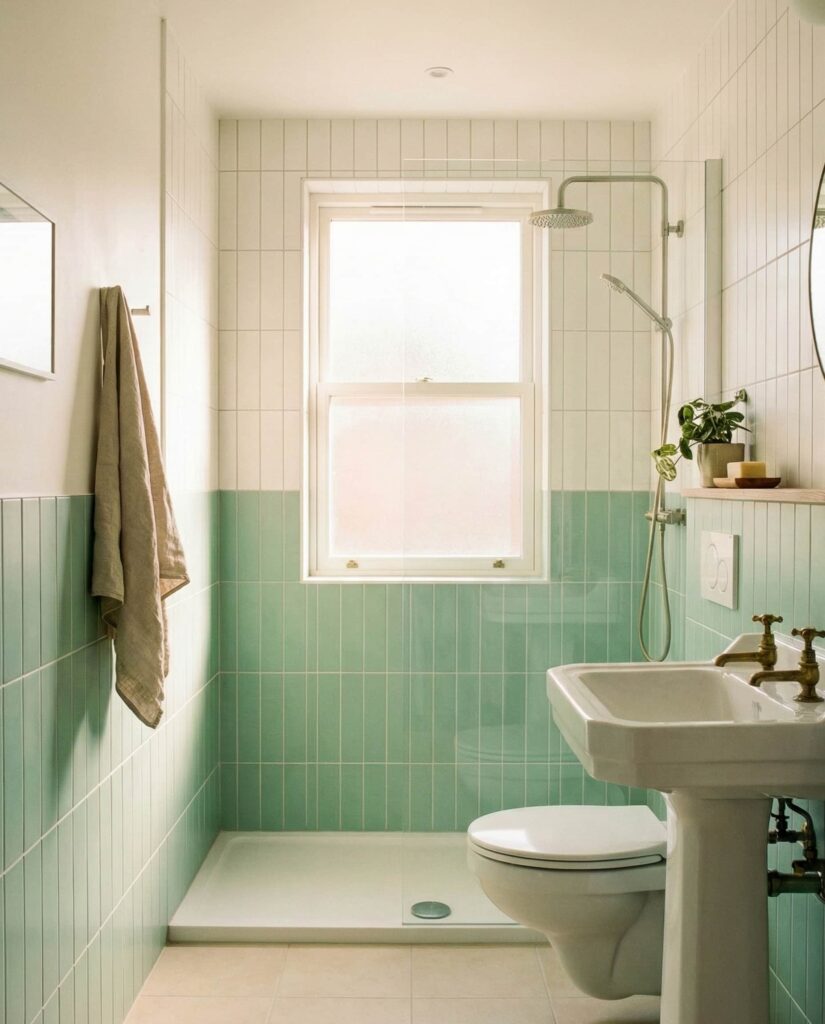
Combining mint green tile white and neutral surfaces is a reliable strategy for compact bathrooms. This design maximizes brightness while still offering color and character. Many professionals suggest using mint tiles vertically on the wall to visually stretch the room. A light floor and reflective finishes keep the space feeling open. In apartments and older homes, I’ve seen this approach make small bathrooms feel far more generous than their square footage suggests.
16. Dark Green Tile with Black Floor Drama
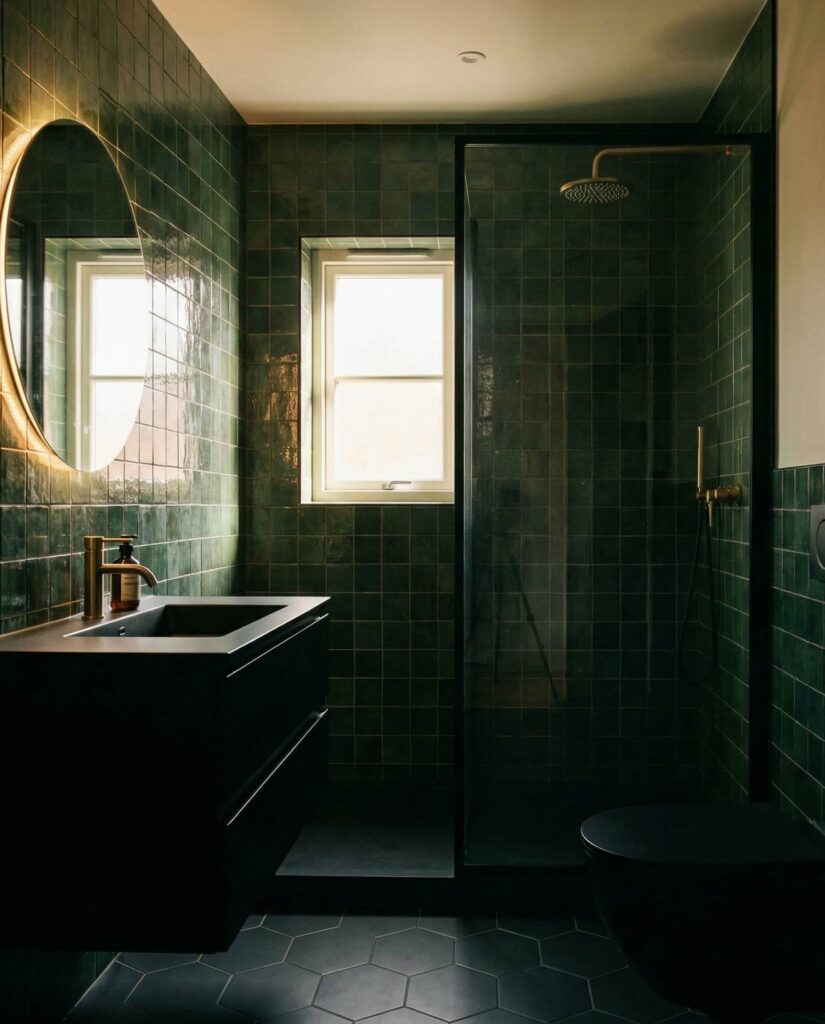
Pairing dark green tiles with a black floor creates a dramatic yet controlled bathroom aesthetic. This idea appeals to homeowners who want depth and contrast without excessive ornamentation. Designers often soften the look with warm lighting and simple textures so the space doesn’t feel cold. I’ve noticed this style works especially well in urban homes, where bold choices feel natural. The result is a bathroom that feels confident, modern, and intentionally styled.
17. Green Tile Bathroom with Coordinated Shower Curtain
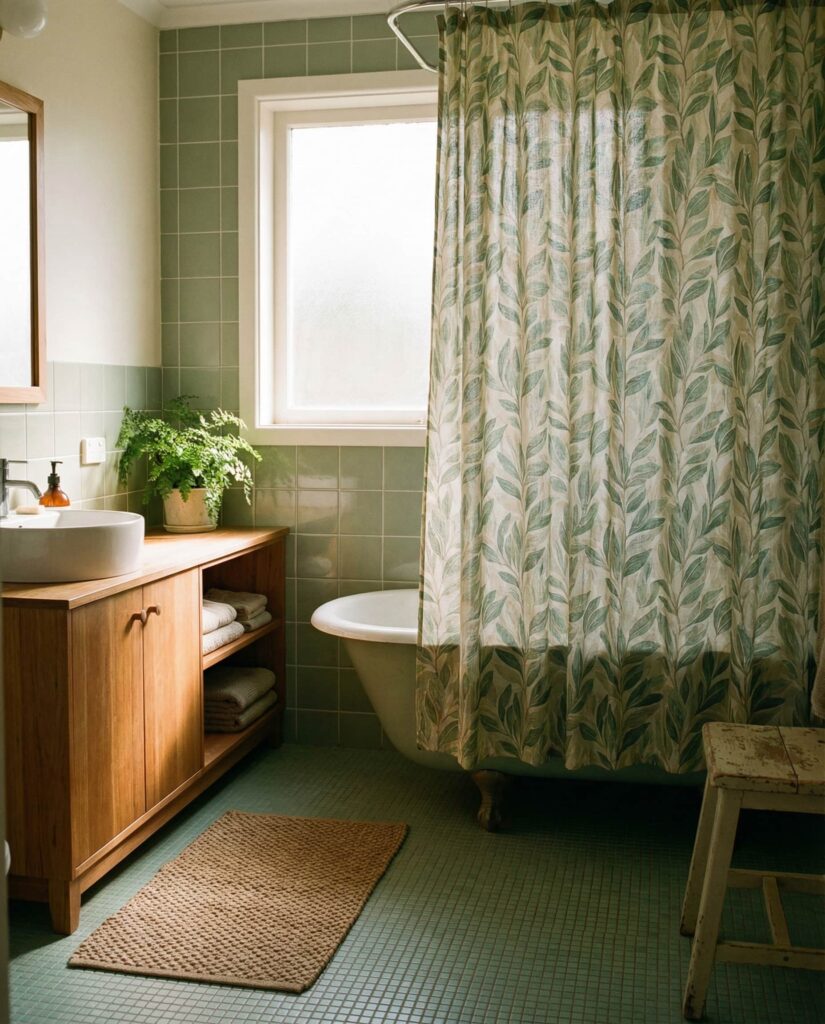
In more casual or rental-friendly updates, green tile paired with a thoughtful shower curtain can still feel cohesive. Choosing fabrics that echo sage, olive, or mint tones ties the room together without permanent changes. This idea is often recommended by budget-conscious designers who still value style. From personal experience, a well-chosen curtain can soften tile-heavy spaces and make the bathroom feel lived-in rather than staged.
18. Forest Green Tile with Large Format Surfaces
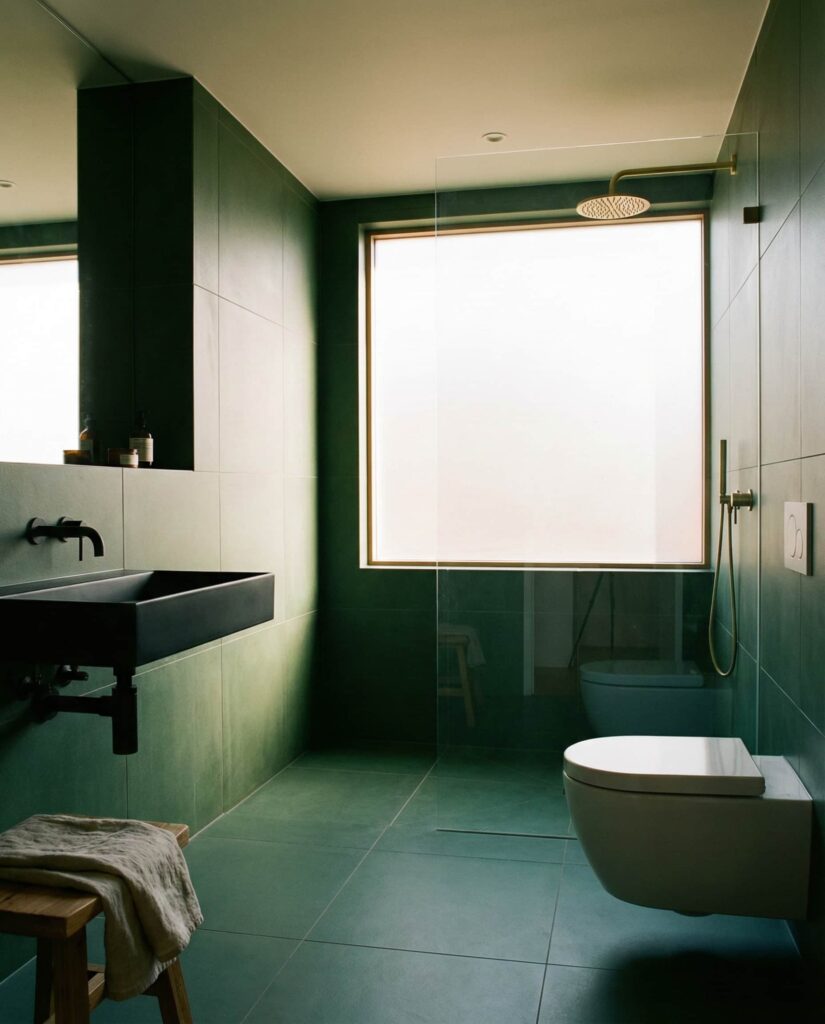
Using large format forest green tiles reduces grout lines and creates a smoother, more architectural look. This design is popular in modern renovations where simplicity matters. Designers often pair large tiles with understated fixtures to let material quality shine. I’ve found that homeowners appreciate how easy these surfaces are to maintain, especially in high-use family bathrooms.
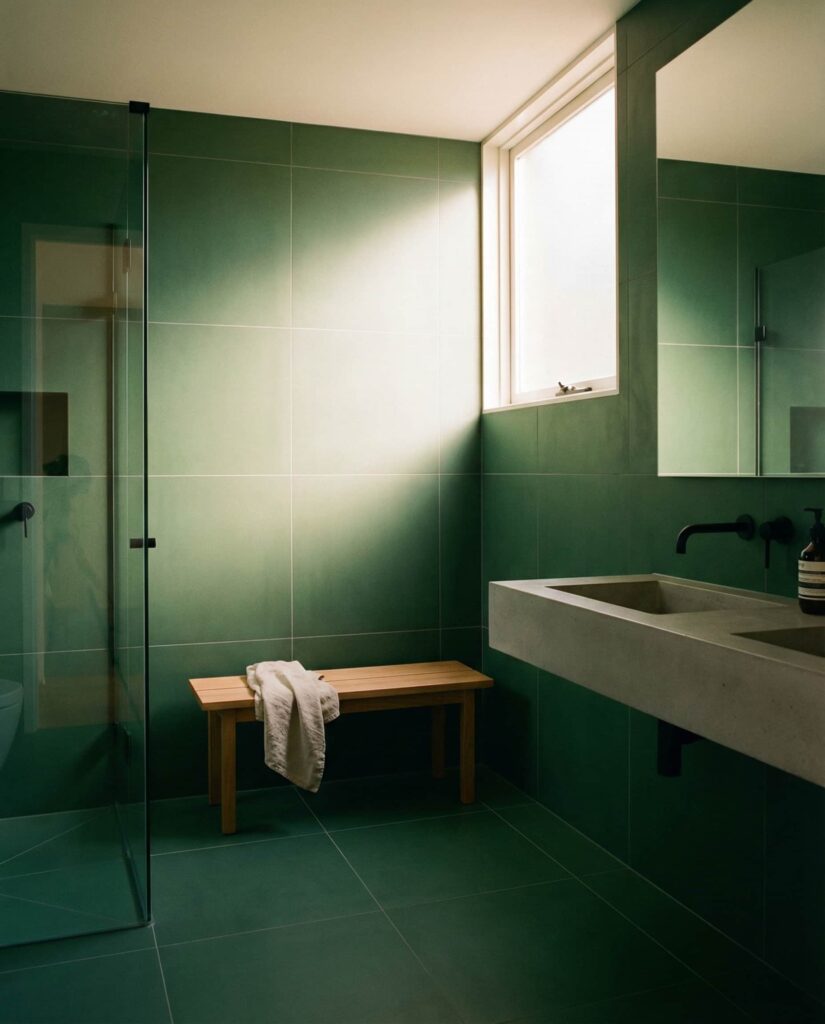
19. Green Tile Bathroom with Black Fixtures Contrast
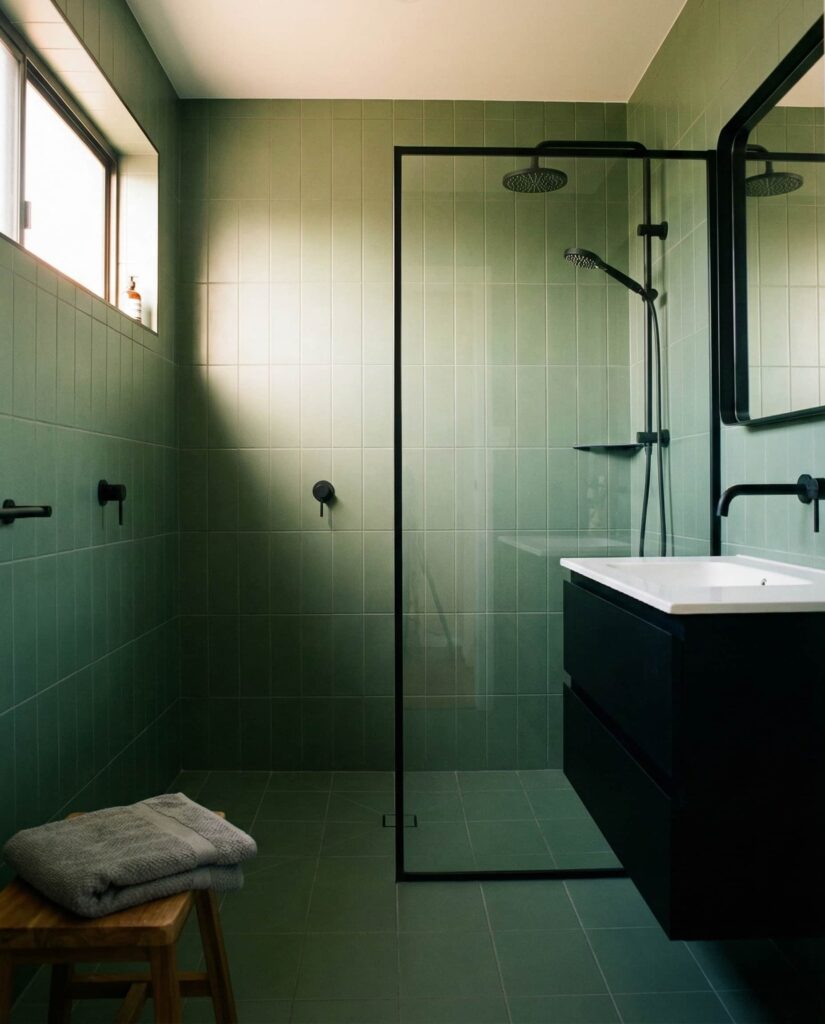
Green tiles paired with black fixtures create a crisp, graphic look that feels current but not trendy. This combination works across many shades, from pale green to deep emerald. Designers often recommend matte black finishes to avoid glare and fingerprints. In my experience, this contrast photographs beautifully and gives bathrooms a polished, intentional feel without added decoration.
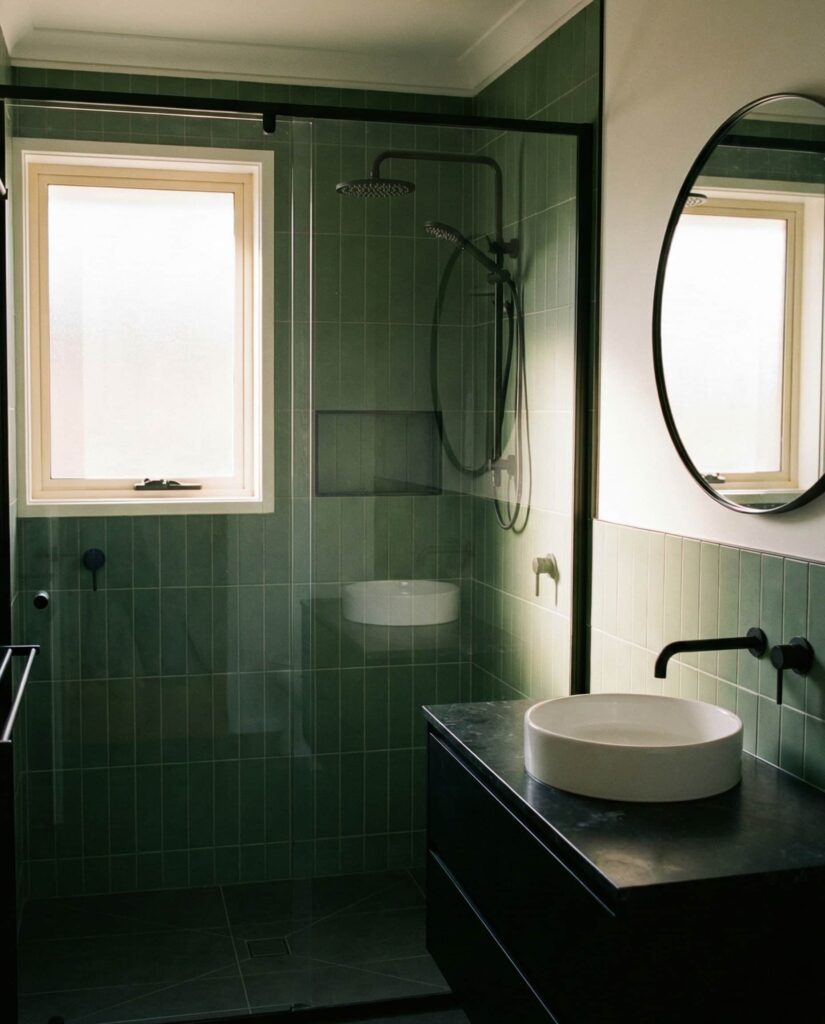
20. Green Tile Bathroom Built from a Mood Board Concept
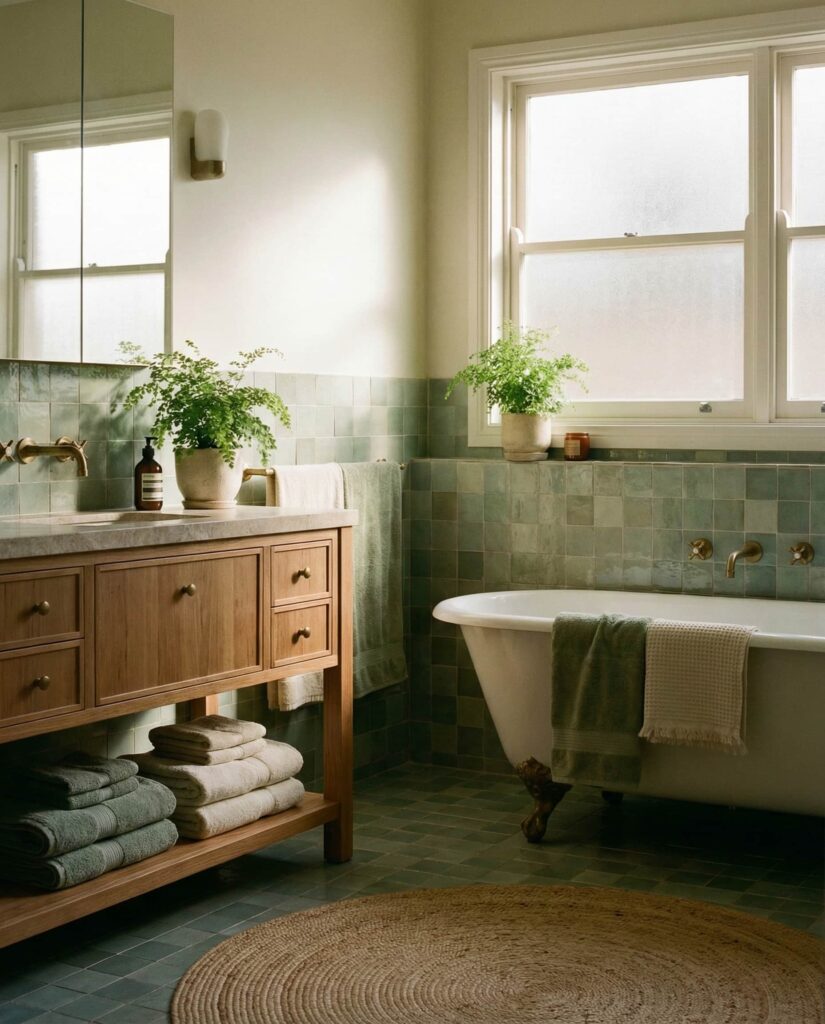
Starting a renovation with a mood board helps unify tile color, textures, and finishes before installation begins. Green tile bathrooms benefit especially from this approach because shades like jade, sage, and olive can shift under different lighting. Designers often advise testing samples together on a board before committing. I’ve seen projects succeed simply because homeowners took time upfront to visualize the whole design rather than choosing pieces in isolation.
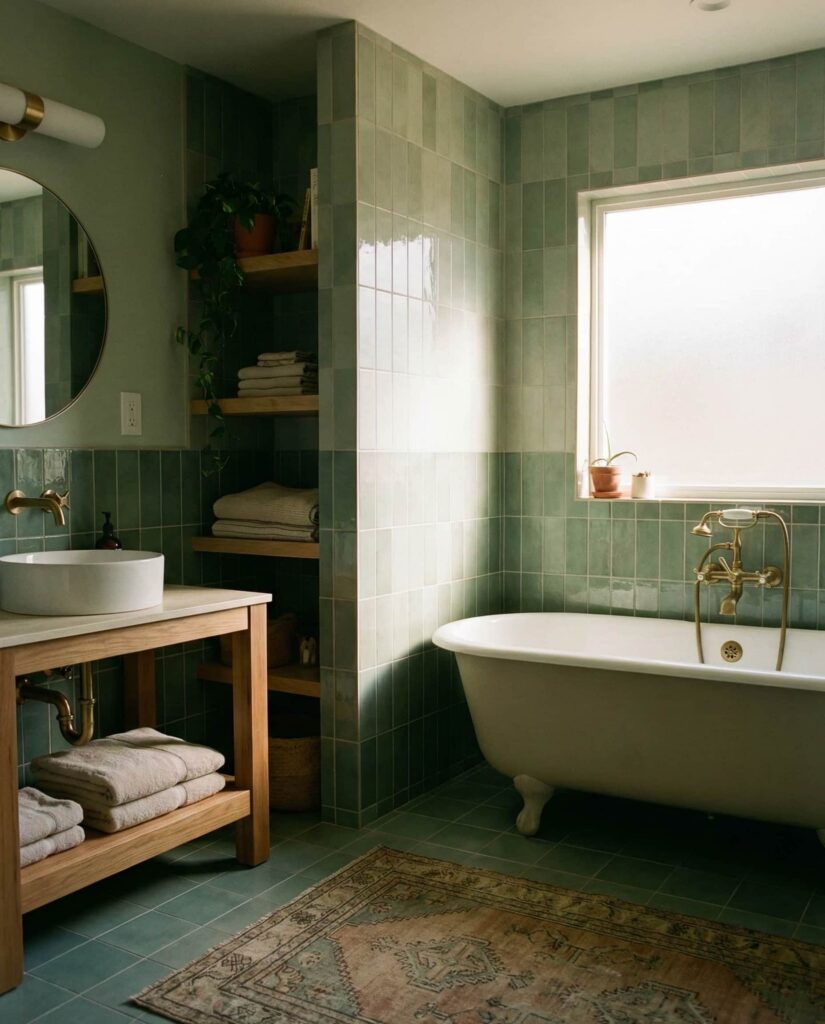
21. Green Tile Bathroom with Integrated Backsplash and Vanity Wall
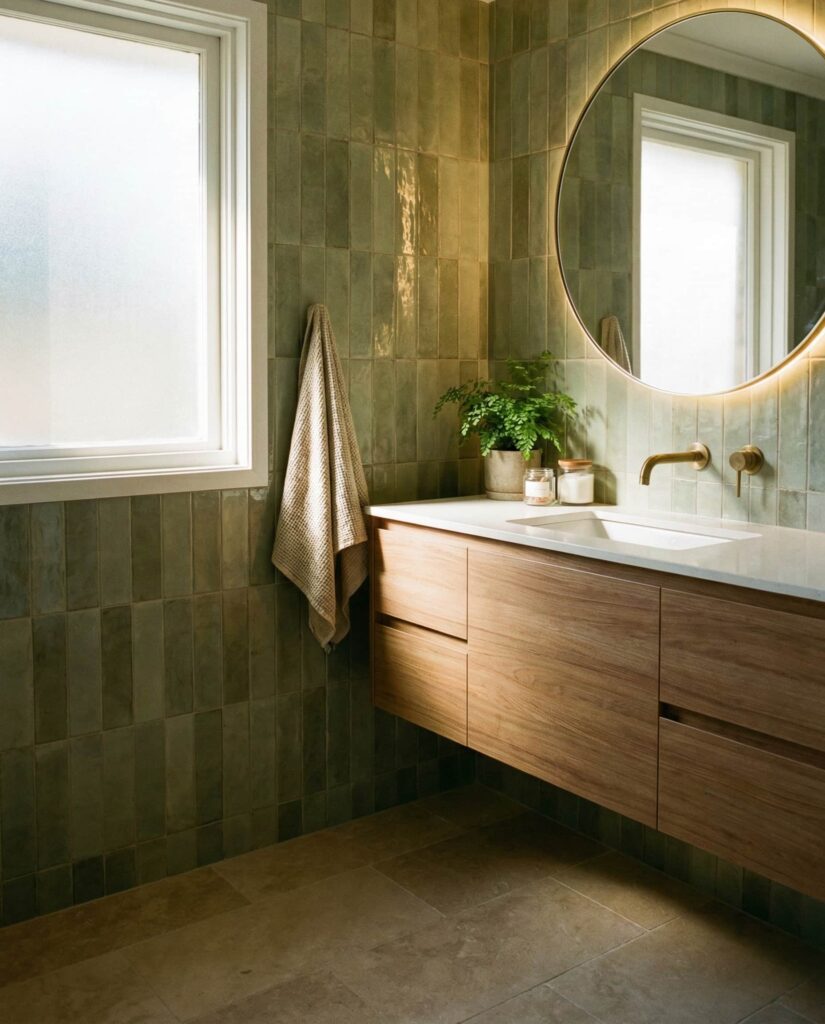
This design centers on extending green tile beyond the wet zone to create a continuous backsplash that wraps the vanity and sink wall, making the bathroom feel cohesive and intentional. Using sage, olive, or jade tones keeps the look grounded, while a neutral floor and restrained paint color prevent visual overload. Designers often recommend this approach for medium-sized bathrooms where a full tile room might feel heavy, but a partial installation still delivers impact. I’ve seen this idea work beautifully in real homes because it protects high-use areas while quietly elevating everyday routines into something more considered.
Conclusion
Green tile bathrooms offer more flexibility than many people expect, whether your taste leans calm, bold, nostalgic, or modern. I’d love to hear which of these styles resonates with you most, or how you’re using green tile in your own home. Share your thoughts and experiences in the comments so we can keep the conversation going and inspire each other.